
Yes, cars do have black boxes; the thought might be jarring since your initial thoughts go directly to a plane. What many people don’t know is that similar technology in the automotive industry, called the Event Data Recorder (EDR), is quickly becoming mainstream. Unlike a vehicle flight recorder, your automobile’s EDR records not everything occurring inside, but technical data around a crash event. Learn more about this recording system by clicking on our automotive black box explanations!
What Is a Black Box in a Car?
When someone says “black box car,” they are usually talking about an Event Data Recorder, also known as the EDR. It is a device that records some details about your vehicle and what’s going on in and around it – only in the minutes before, during, and immediately after events like crashes. According to NHTSA, an EDR records data during crash events for a few seconds, rather than being a recording camera on your car the entire time the vehicle is running.
The type of information collected can include: how fast the vehicle was moving, braking, accelerator positions, seatbelt usage, deployment of airbags, and crash events.
The specific information recorded depends on the vehicle make and model, as well as the EDR module. Important: An EDR is not the same device as a dashboard or front-mounted video camera that are sometimes used by customers for recording.
Do Cars Have Black Boxes Today?
Yes, many late-model vehicles do have EDR technology. Since regulations are in effect for EDR-equipped vehicles in the US, the requirements for information recorded and how information can be retrieved have been established at the federal level, and manufacturer instructions about this technology are found in your owner’s manual. However, that doesn’t tell the whole story…because you won’t see the same functionality in an EDR on your spouse’s relatively recent, and far less luxurious model, and you definitely might not have an EDR in your neighbor’s late 20th-century acquisition.
Do All Cars Come With a Black Box?

A wide range of newer passenger vehicles, SUVs, light-duty pickup trucks, and other light vehicles may be equipped with EDR technology. Owners should not rely on a list of vehicle brands alone when attempting to determine whether their vehicle is equipped with EDR; depending on equipment may vary by year and market.
A newer Toyota, Ford, Honda, Chevrolet, BMW, Mercedes-Benz, Hyundai, Kia, Nissan, Subaru, Tesla, or Volkswagen automobile may incorporate EDR technology, but it is unlikely that each of these manufacturers’ models has equivalent equipment or identically recorded information.
| Vehicle Type | Likelihood of EDR Technology | Important Consideration |
| Newer passenger cars | High | Check the owner’s manual |
| Newer SUVs and crossovers | High | Equipment varies by model |
| Modern pickup trucks | High | EDR capabilities differ |
| Older vehicles | Variable | Model year is important |
| Electric vehicles | Common | Multiple electronic systems may store data |
| Fleet and commercial vehicles | Variable | May also use separate telematics systems |
What Information Does a Car Black Box Record?
An EDR stores certain technical information pertaining to the occurrence of a crash. Depending on the vehicle make and model, it may store things like: ∙ Speeds of the vehicle ∙ Acceleration of the vehicle, Braking action ∙ State of the vehicle’s restraint systems, Airbag deployment ∙ And other vehicle behavior and safety performance information. According to NHTSA, EDR devices can capture: ∙ pre-crash occupant/vehicle motion, pre-crash occupant/vehicle behavior and history, ∙ crash impact time, ∙ crash pulse(s), ∙ post-impact dynamics.
Crucially, it’s important to understand that an EDR may not hold a complete record of everything the driver was doing in the vehicle; rather, it focuses on discrete events and has limited storage.
Other vehicle data can be logged on different devices, and thus, we can’t consider an EDR equivalent to GPS tracking, infotainment, or insurance telematics devices, just because information is being gathered from the car.
Why Are Black Boxes Used in Cars?
EDR technology also helps to present information after an accident has occurred. They can provide investigators with objective technical data to use in conjunction with physical evidence, vehicle examinations, police reports, and eyewitness statements. In its crash investigation efforts, NHTSA specifically incorporates EDR information where available.
Manufacturers and safety researchers can employ the same information obtained to gain a clear understanding of accidents in the field and further enhance vehicular safety.
Having accurate and reliable technical data to work with can often highlight certain consistencies in collisions that may not be noticeable upon observation alone.
How EDR Data Can Help After a Crash
EDR information may be useful for:
- Reconstructing aspects of a collision
- Understanding vehicle speed and braking before impact
- Determining whether seat belts were being used
- Reviewing airbag and restraint-system deployment
- Supporting crash investigations
- Improving vehicle safety research
The data does not automatically determine who was legally responsible for an accident. Investigators generally consider it together with other evidence.
Are Black Boxes on Cars a Privacy Concern?
The control and use of vehicle data is one of the most contentious issues that there is. Drivers might wonder whether or not EDR data will be accessible in their insurance or litigation claims. That answer varies depending on who is asking and under what law they are making their request.
NHTSA asserts that the ownership and access rights to EDR data might involve the interaction of state and federal laws.
Courts can issue subpoenas for EDR data, and several states include access to the EDR data as part of their own rules governing access by law enforcement to the crash site. Other contractual documents, including some insurance policies, might also describe a mechanism for accessing the vehicle’s data. In addition, there is a difference between a connected car and an EDR. Vehicles have different methods of data collection, such as navigation, phone, telematics, or fleet monitoring services.
Therefore, knowing the totality of your vehicle’s data environment is more beneficial than assuming that every system that could theoretically generate a record is an EDR.
How Can You Tell If Your Car Has an EDR?
Your owner’s manual is the easiest place to start your research. Scan the manual for “Event Data Recorder,” “EDR,” “airbag system,” “restraint system,” or “crash data.” Federal EDR rules require that an owner’s manual have a suitable disclosure statement for the covered EDR systems installed in that particular vehicle.
If there is no sufficient guidance in your owner’s manual, contact the manufacturer’s dealership or an experienced automotive technician. The professional may be able to determine what equipment your particular vehicle is equipped with for the current model year. Do not assume equipment is the same throughout the manufacturer’s lineup.
Can Black Box Data Be Used After an Accident?
The Answer Is Still Yes. Yes, this EDR data could be downloaded and used in investigating a collision, assuming that this data would need downloading equipment, laws regarding its availability under the circumstance of a crash, vehicle manufacturer restrictions, and proper documentation, as appropriate. And as NHTSA indicates: “Courts may obtain access to an EDR in conjunction with discovery requests in a civil lawsuit while specific State law determines if a crash investigator can download an EDR.”So don’t make assumptions about whether this data has been generated, and who has, or is about to have access, to the information in your car during the unfortunate instance of a serious auto accident.
Should You Be Concerned About Your Vehicle’s Black Box?
As long as you follow the rules, having an auto black box shouldn’t bother you. Instead, it could help you a lot if you need to show your innocence after an accident. Still, it’s smart to know what information is being gathered and who can see it.
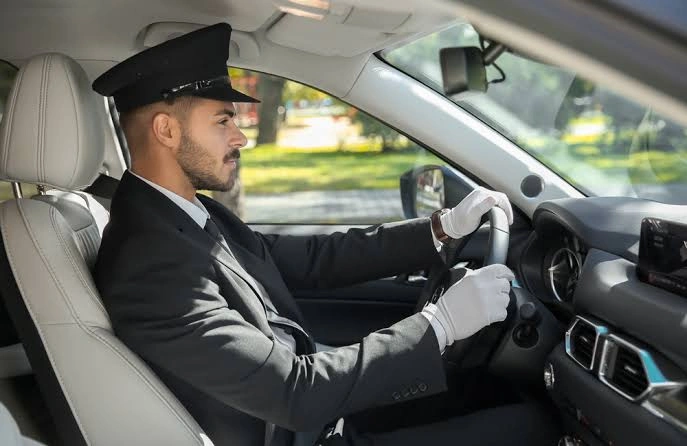
Rental cars, ride-sharing services, and high-end cars that come with chauffeurs almost certainly have car black box systems. In the high-end transportation business, this is a standard safety step.
For example, reputable transportation providers like Signature Luxury Transportations prioritize safety and fleet monitoring to ensure smooth, secure rides. Their use of modern, tech-equipped vehicles contributes to better safety and customer satisfaction.
Final Thoughts on Do Cars Have Black Boxes?
The answer for most newer vehicles is yes, though it’s technically known as an Event Data Recorder. Unlike a plane’s black box, an EDR does not videotape or record every second of the trip; rather, it is programmed to record specific technical data shortly preceding or during qualified accident events.
Whether or not your particular car is equipped with an EDR may be helpful for understanding a wreck.
Be sure to look for information about your vehicle model at the car’s manufacturer website or in the vehicle’s manual. Data recorded by the EDR should only be part of a crash investigation report.
FAQs
What kind of data does an automobile black box record?
An automobile black box records data such as vehicle speed, throttle position, brake use, airbag deployment, and seatbelt status during a crash event.
Can I access my car’s black box data myself?
Generally, no. Accessing the black box inside car systems requires specialized tools and is typically done by professionals, law enforcement, or insurance companies.
Is it legal for insurance companies to use black box data?
Yes, but usually only with your consent. Some states allow insurance companies to use auto black box data in claims investigations if the vehicle owner permits it.
Are black boxes installed in electric vehicles?
Yes, nearly all modern electric vehicles come with sophisticated automobile black box systems due to their enhanced safety and performance monitoring needs.
Can I remove or disable the black box in my car?
Tampering with or removing an auto black box is not recommended and may be illegal. These devices are often integrated with safety systems like airbags.